Starry Constellations
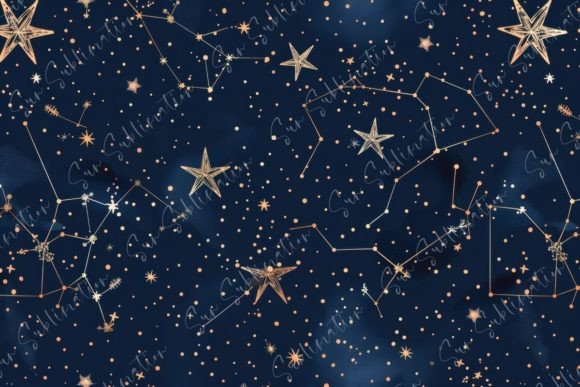
The night sky has always been a source of wonder, but bringing that celestial beauty into your digital or printed projects requires more than just finding a pretty image. Starry Constellations offers a high-resolution visual asset designed to capture the essence of a dark blue night sky filled with various constellations and stars. For creators, entrepreneurs, and hobbyists alike, having access to a pristine, 4500 x 3000 pixel image is a significant advantage. However, simply purchasing a file without understanding its specifications can lead to frustration later on. This guide aims to help you navigate the details of this digital asset, ensuring you make the right choice for your specific needs.
Understanding the Value of High-Resolution Digital Assets
When you are looking at a product description that highlights a resolution of 300 dpi and dimensions of 4500 x 3000 pixels, it might seem like technical jargon. In reality, these numbers define the versatility and longevity of your project. A common mistake beginners make is assuming that any "high-quality" image will work for every purpose. If you intend to use this artwork for large-format printing, such as posters, banners, or educational materials, the pixel density is critical. An image that looks fine on a standard monitor may appear pixelated or blurry when scaled up for print if the resolution isn't sufficient.
Starry Constellations is specifically engineered to avoid this pitfall. The 300 dpi resolution ensures that whether you are designing a website background, a marketing brochure, or a physical wall art piece, the stars remain crisp and distinct. This level of detail is what separates professional-grade visuals from amateur stock photos. By selecting an asset with these precise specifications, you are investing in clarity and professionalism, which directly impacts how your audience perceives your brand or content.
Navigating the Digital Download Experience
One of the most frequent misunderstandings regarding digital products involves the delivery method. Unlike physical goods, there is no shipping time or waiting period. Once the purchase is completed, you gain immediate access to a zipped file containing the JPEG format. It is essential to understand that this is a non-physical product. There is no box to open or item to mail. Instead, the transaction concludes with a download link.
Many users overlook the importance of saving the file immediately after purchase. Because the download is instant, it is easy to lose track of the link if you do not save the file to your local drive or cloud storage right away. Additionally, since the file is compressed in a ZIP archive, you must ensure you have the necessary software to unzip it before attempting to view or edit the image. Failing to extract the files correctly can result in an inability to open the high-resolution version, leading to unnecessary delays in your workflow.
Color Accuracy: What You See Is Not Always What You Get
A crucial aspect of working with digital images, particularly those depicting natural phenomena like the night sky, is color management. The product description explicitly warns that colors viewed on screen will vary from the actual colors on the printed product. This is not a defect; it is a fundamental characteristic of digital technology. Every gadget, from the latest smartphone to a professional-grade monitor, displays colors differently due to variations in backlighting, calibration, and display panels.
For designers and marketers, relying solely on a screen preview can be risky. A deep, rich blue on your laptop might translate to a lighter, washed-out shade on a commercial printer. To avoid disappointment, you should never assume the on-screen representation matches the final output perfectly. If you are using this asset for a critical print run, it is advisable to request a soft proof or test print before committing to a full batch. Understanding this limitation allows you to plan accordingly, perhaps adjusting the contrast or saturation in your design software to compensate for potential shifts during the printing process.
Common Pitfalls in Image Selection and Usage
There are several subtle errors that professionals sometimes make when evaluating digital assets. One major oversight is ignoring the file format limitations. While the image is provided in JPEG, this format uses lossy compression. While convenient for web use, it is not ideal for repeated editing cycles where you need to preserve maximum quality. If your project requires extensive manipulation, layering, or resizing, consider the implications of starting with a raster image like a JPEG rather than a vector file.
Another common mistake is underestimating the aspect ratio. With dimensions of 4500 x 3000 pixels, the image has a 3:2 aspect ratio. This is excellent for standard photography prints and landscape layouts, but it may require cropping if you need a square image for social media or a vertical banner for a mobile app. Cropping a high-resolution image down is generally safe, but stretching it to fit different ratios will distort the constellations and ruin the aesthetic balance. Always check your layout requirements before finalizing the design to ensure the original composition remains intact.
Evaluating Your Needs Before You Buy
Before completing your purchase, take a moment to evaluate exactly how you intend to use Starry Constellations. Are you a blogger looking for a header image? A small business owner creating a seasonal advertisement? Or perhaps an educator preparing a presentation about astronomy? Each use case demands a different approach to the file.
- Web Designers: Ensure you optimize the file size for web performance, even though the source is high resolution. Large files can slow down page load times, affecting user experience and SEO rankings.
- Print Professionals: Verify your printer's requirements. While 300 dpi is standard, some commercial printers may have specific color profile requirements (CMYK vs. RGB) that you need to address before sending the file.
- Hobbyists and Educators: Use the high resolution to your advantage by creating detailed handouts or large-scale displays that students can examine closely.
By aligning your expectations with the technical specifications of the asset, you ensure that the final result meets your goals. The image is a powerful tool, but its effectiveness depends on how well you integrate it into your workflow.
Making the Right Choice for Your Projects
The market is flooded with low-quality, watermarked, or low-resolution images that can compromise the integrity of your work. Choosing a premium, watermark-free asset like Starry Constellations demonstrates a commitment to quality. It shows your audience that you care about the details, from the clarity of the stars to the depth of the night sky.
Remember that the value of this digital product lies in its immediacy and flexibility. You get a clean, professional image instantly, ready to be integrated into your designs without the hassle of licensing negotiations or physical shipping. Just be mindful of the color variations across devices and the specific resolution needs of your project. With these considerations in mind, you can confidently utilize this beautiful night sky depiction to enhance your creative endeavors, avoiding common pitfalls and achieving a polished, professional outcome.