Nostalgic Scientific Instruments and: Integrating Timeless Precision into Modern Workflows
In an era defined by rapid digital transformation and instantaneous data processing, there remains a profound value in the tangible precision of the past. Nostalgic Scientific Instruments and represents more than just a collection of aesthetic objects; it serves as a bridge between historical methodology and contemporary application. For professionals, creators, and entrepreneurs aged 20 to 50, integrating these elements into a workspace or creative process offers a unique opportunity to ground abstract concepts in physical reality. This discussion explores how high-resolution assets of vintage scientific tools can be seamlessly woven into modern workflows, from marketing campaigns and educational materials to personal branding and product design.
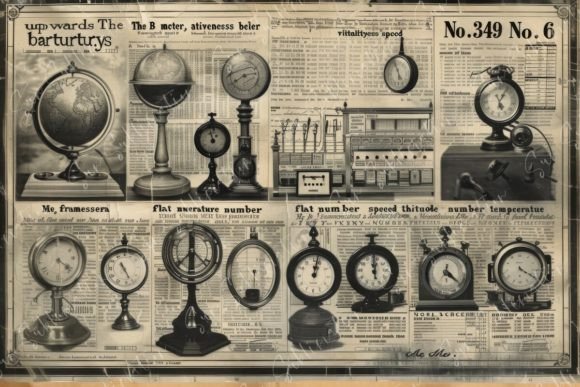
The core utility of engaging with Nostalgic Scientific Instruments and lies in its ability to evoke authority and trust. When a marketer is designing a campaign for a tech startup or an educator is preparing a lesson on the history of measurement, the visual language matters. High-quality imagery of barometers, astrolabes, chronometers, and early microscopes provides a visual shorthand for accuracy, innovation, and enduring quality. Unlike generic stock photography that often feels sterile, these instruments carry a narrative weight. They suggest a lineage of discovery and a commitment to detail that resonates deeply with audiences seeking authenticity.
Strategic Integration Before Project Initiation
Effective project management begins long before the first task is executed. During the planning phase, teams often struggle to define the visual tone and emotional resonance of their output. This is where acquiring assets related to Nostalgic Scientific Instruments and becomes a strategic advantage. By securing a high-resolution catalog page featuring these items at 4500 x 3000 pixels, planners ensure they have the flexibility to use imagery across various mediums without compromising quality.
Consider a scenario where a small business owner is rebranding their company. The goal is to communicate reliability and a "craftsman" approach to modern software solutions. Before drafting copy or selecting color palettes, the team downloads the zipped file containing the instrument assets. These images are then used to create mood boards that align with the brand's identity. The intricate details of a brass compass or the glass lens of a vintage telescope provide texture and depth that flat vector graphics cannot replicate. This preparation phase ensures that the final deliverables maintain a consistent aesthetic standard, reducing the need for mid-project pivots or last-minute graphic replacements.
Furthermore, the resolution specifications—specifically the 300 dpi requirement for print-ready files—are critical during this stage. Professionals who understand the nuances of production know that upsampling low-resolution images later leads to pixelation and a loss of credibility. By starting with a JPEG format that is optimized for immediate download and high fidelity, teams eliminate technical bottlenecks. This allows the creative director to focus on composition and storytelling rather than troubleshooting image artifacts.
Execution and Implementation in Creative Workflows
Once the planning phase is complete, the actual implementation of Nostalgic Scientific Instruments and assets enters the execution phase. Whether you are a blogger writing about the evolution of technology, a freelancer creating pitch decks for clients, or an entrepreneur launching a Kickstarter campaign, the usage of these visuals must be intentional. The key is to treat these instruments not merely as decoration, but as functional components of the narrative.
For content creators, the workflow often involves editing text to accompany powerful imagery. A blog post discussing the importance of time management might feature a high-contrast image of a pocket watch from the catalog. The caption does not simply describe the object; it connects the mechanical precision of the timepiece to the discipline required in modern productivity. This symbiotic relationship between text and image strengthens the message. Because the assets are available as a digital download, the integration is fluid. Creators can drag and drop the images into layout software, adjust opacity, or overlay them onto backgrounds to create composite scenes that fit their specific design needs.
In the realm of education, teachers and instructional designers utilize these tools to make abstract scientific principles concrete. When explaining the history of navigation or the mechanics of early computing, showing a detailed view of a sextant or an abacus helps students visualize the transition from analog to digital. The 4500 x 3000 pixel dimensions allow educators to zoom in on specific mechanisms during virtual presentations or print handouts that students can examine closely. This level of detail fosters engagement and aids retention, turning a passive learning experience into an interactive exploration.
It is also important to consider the compatibility of these assets within different platforms. While the primary format is JPEG, ensuring that the color profile matches the intended output device is a crucial step in the workflow. As noted in the product specifications, colors viewed on screens will vary from the printed product due to monitor calibration differences. Savvy professionals account for this by proofing their designs on multiple devices or using soft-proofing techniques in their editing software before final export. This attention to detail ensures that the rich brass tones and deep blacks of the instruments appear true to life, maintaining the integrity of the visual brand.
Collaboration and Resource Management
Modern work rarely happens in isolation. Teams collaborate across departments, and assets must be shared efficiently. The availability of Nostalgic Scientific Instruments and as a downloadable zipped file streamlines this process. Instead of waiting for physical shipments or dealing with slow email attachments, team members can access the resources immediately after purchase. This immediacy accelerates the feedback loop. A designer can share the raw files with a copywriter, who can then draft headlines while the designer works on the layout simultaneously.
This collaborative efficiency extends to the organization of digital libraries. Once downloaded, these high-value assets should be categorized and tagged within a central repository. Labeling files with metadata such as "vintage-instruments," "scientific-tools," or "high-res-print" ensures that they are easily retrievable for future projects. Over time, a collection of these images becomes a valuable corporate asset, reducing the need to purchase new licenses for similar themes. It creates a library of proven, high-quality visuals that can be repurposed for annual reports, social media campaigns, or website updates.
When working with external partners, such as printers or web developers, having the correct file specifications is non-negotiable. Providing the 300 dpi JPEGs directly from the source ensures that the final output meets professional standards. Printers require high-resolution files to avoid blurriness, while web developers need optimized versions that load quickly without sacrificing clarity. The versatility of the original 4500 x 3000 pixel source allows for easy resizing and optimization for both contexts, making the workflow smoother and reducing the risk of errors.
Quality Control and Long-Term Value
Sustainability in design is not just about eco-friendly materials; it is also about creating assets that stand the test of time. Nostalgic Scientific Instruments and offers a timeless appeal that transcends fleeting design trends. While neon gradients and minimalist flat icons may come and go, the elegance of a Victorian-era microscope or a precision chronometer remains relevant. Investing in these assets means acquiring resources that will not look dated in six months or two years.
However, users must remain vigilant regarding color consistency. The disclaimer regarding screen variations is a vital part of the quality control process. To mitigate this, professionals should establish a standard color profile (such as sRGB for web and CMYK for print) and adhere to it strictly throughout the project lifecycle. Regularly checking proofs against the original intent ensures that the final product delivers the desired impact. If a print run is planned, ordering a physical proof before mass production is a prudent step to verify that the colors translate accurately from the digital file to the paper.
The long-term use of these assets also supports brand consistency. A company that consistently uses high-quality, thematic imagery builds a recognizable identity. Whether it is a tech firm using vintage schematics to highlight engineering prowess or a bookstore using antique globes to evoke curiosity, the repeated exposure to these visuals reinforces the brand message. The investment pays off not just in the immediate project, but in the cumulative effect of a cohesive visual strategy over years of operation.
Conclusion: A Tool for Thoughtful Execution
Nostalgic Scientific Instruments and is more than a digital download; it is a tool for thoughtful execution in a chaotic digital landscape. By providing high-fidelity, historically rich imagery, it empowers professionals to craft narratives that are both visually stunning and intellectually compelling. From the initial planning stages to the final delivery of a printed brochure, these assets facilitate a workflow that values precision, quality, and continuity.
Whether you are a freelancer looking to elevate your portfolio, an educator seeking to engage students, or a business owner aiming to distinguish your brand, integrating these instruments into your process offers a distinct competitive edge. The immediate availability of the files, combined with their high resolution and timeless aesthetic, makes them an essential component of any modern creative toolkit. Embrace the precision of the past to enhance the efficiency and impact of your future endeavors.